Industry Insights
Where digital journalism is going — engagement, misinformation, embedding, and what the shift from scrolling to interaction asks of a newsroom.
5 posts
All posts
5 posts
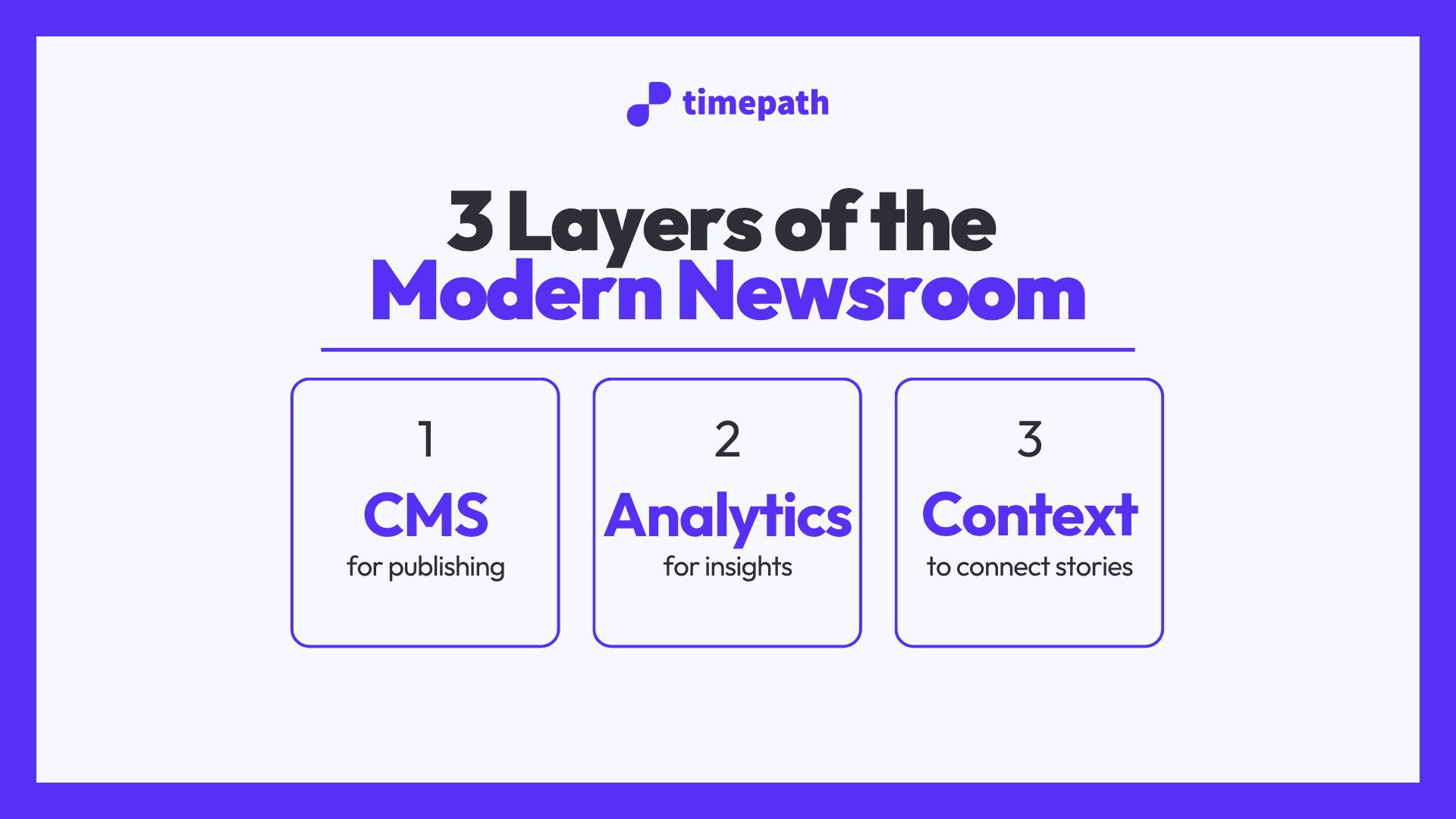
The Context Layer in Journalism: Why Newsrooms Need More Than Just Content
In an era of information overload, the problem isn't a lack of news — it’s a lack of structure. This article explores why audiences, particularly those under 35, are increasingly avoiding the news due to its fragmented nature. We introduce the concept of the "Context Layer," a new category of newsroom infrastructure that sits between the CMS and Analytics. By using tools like interactive timelines, structured collections, and agile liveblogs, publishers can reduce cognitive load, connect stories over time, and bridge the generational gap in news consumption.
 Timepath · Industry Insights
A new way to verify the news: How we're partnering with Journalists to fight misinformation
With misinformation on the rise, we're developing a pilot with Dutch journalists and the Cardano community to build a new system for verifying the authenticity of news. Learn how we're working to restore public trust in media.
 Frido van Driem · Founder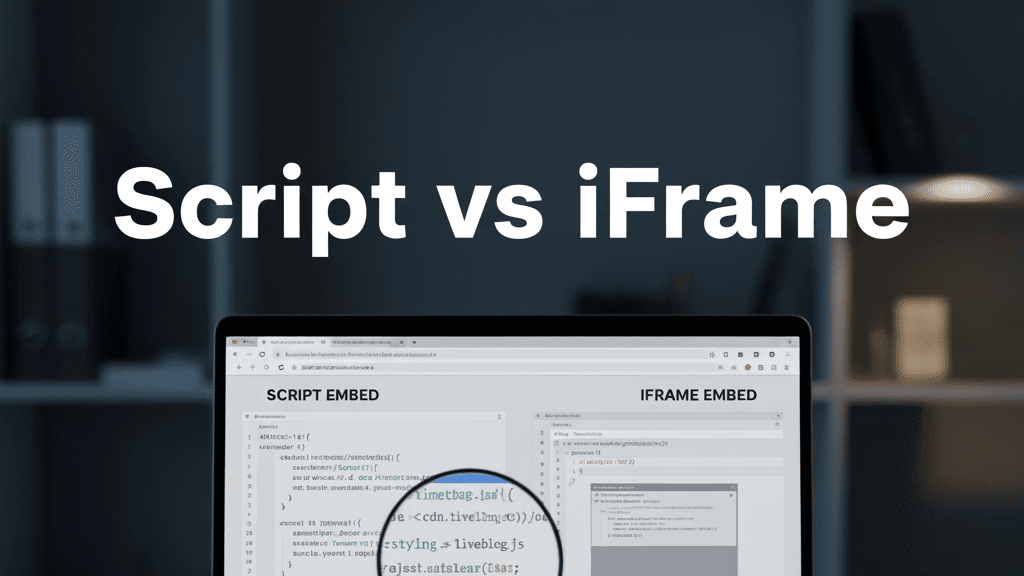
New Script Embeds: The Future of Liveblogging
Understand the trade-offs between script tags and iframes for embedding live content. Our new script embed for Timepath Liveblog offers a safer, more powerful solution for modern publishers.
 Rohan Agarwal · Security Hacker
From Scrolling to Interaction: How Timepath’s Interactive Tools Boost Engagement in News Articles
In today’s fast-paced digital world, capturing a reader’s attention is harder than ever. People skim headlines, scroll quickly, and often leave before reaching the end of a story. The challenge for publishers is not just to get clicks, but to keep readers engaged — and turn passive consumption into active participation.
Frido van Driem · FounderFrom disengaged to invested: how visual explanation transforms student learning
What if students could learn better by building knowledge rather than receiving it? Research shows that visual explanation significantly improves comprehension and motivation. In this article, we explore the cognitive benefits of letting students construct visual representations, and what this means for classroom practice.
 Maino van Dongen · Education specialist
Build one like it
Everything written about here was made in the Timepath editor and embedded into the newsroom's own site.
